
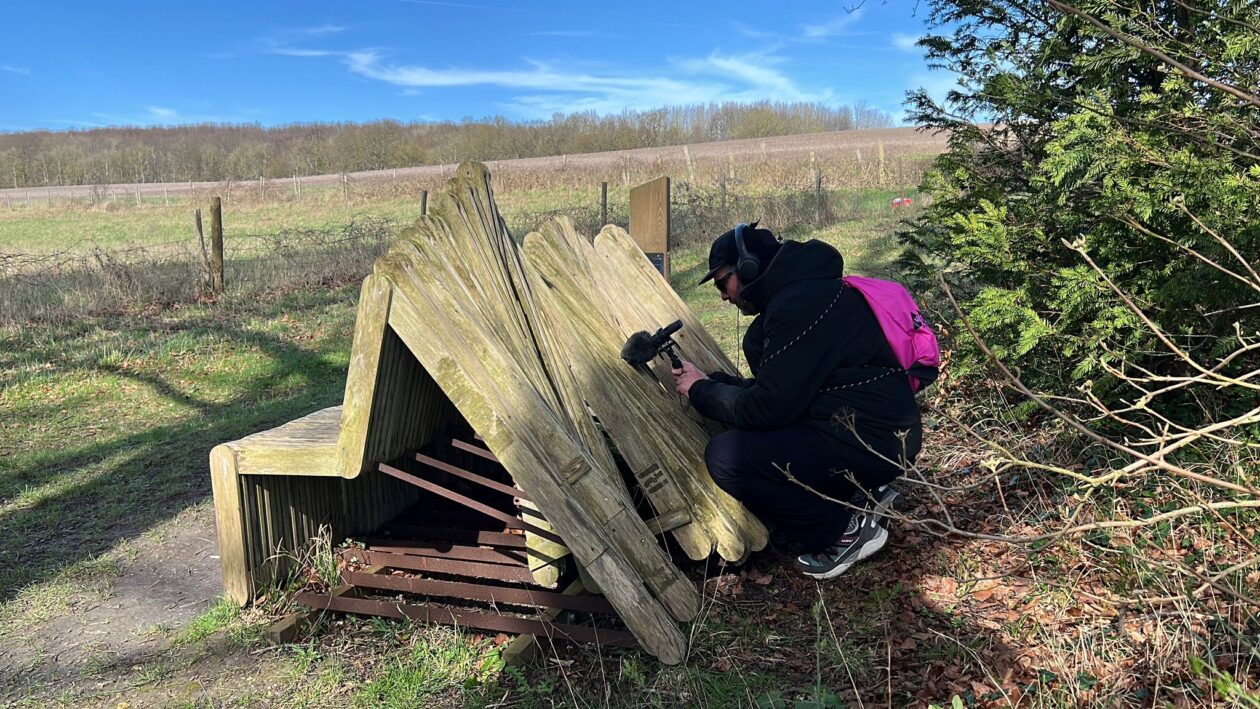
The UK leg of the Sounding Art Trail project, coordinated by the Culture Routes Society and supported by the British Council’s Connections Through Culture programme, has been successfully completed along the North Downs Way route. Aiming to draw attention to points along walking routes at risk due to climate change through sound and art, this project seeks to establish a connection between the UK and Turkey through art and walking.
As part of the field trip, site-specific installations created for the North Downs Way Art Trail—a previous project by North Downs Way, the project’s partner organisation—were visited, alongside locations such as the Dover Museum and Canterbury Cathedral in the Kent and Surrey regions of the UK.
The project team, comprising the independent artists Dystopic Symptoms and CRS, who are also project coordinators, undertook a field trip from 15 to 17 March covering Dover, Chilham, Canterbury and the surrounding area; the trip focused on experiencing the relationships between sound, memory, industry and ecology first-hand. During this field trip, sound recordings were also collected along the North Downs Way walking route for the sound landscapes to be produced later.
Field Trip: Canterbury and the Surrounding Area
The programme, which began on 16 March in Dover with a visit to the Dover Museum, offered an introduction to interpreting the route through layered narratives of migration and maritime history.
The group then proceeded along the coastline via the North Downs Way, guided by Peter Morris, experiencing the installations along the North Downs Way art trail.
Alma Tischlerwood’s work, *We Are All Winners*, is an installation embedded within everyday life along the coast, offering an opportunity to reflect on encounter, participation and chance in the public realm. Bearing the inscription “victores sumus omnes” (We Are All Winners), this piece offers a cheerful and slightly playful finale against the backdrop of a lively coastal scene—even where even those swimming in the cold water pass by—making it the perfect spot to celebrate the quiet triumph of completing a long walk.
One of the route’s most striking stops, the Abbots Cliff Sound Mirror, is a structure built in the pre-radar era to detect approaching aircraft; it was, in effect, a colossal concrete ear. Today, this structure persists as a historical trace of the auditory relationship established with the landscape. Built in 1928 as part of an early warning system, this structure now evokes both a monumental and enigmatic atmosphere; as it echoes the silence of the landscape, it points to a past shaped by the anticipation of distant threats.
‘After the Black Gold’, meanwhile, focuses on the region’s coal-mining history and its environmental and social impacts, bringing the landscape’s industrial memory to the fore. This striking and robust structure by Woolage, which directly reflects the mining heritage, gains further significance thanks to the carved wooden panels on its rear. The bird and cage motifs carved into these panels by visitors skilfully evoke the canaries used as an early warning system against toxic gases in coal mines.
-
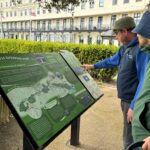
- Dover
-
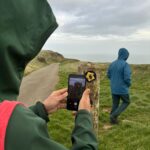
- Hiking along the North Downs Way
-
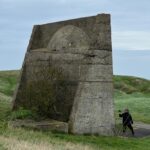
- Sound Mirror
-
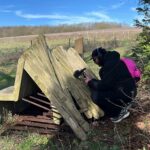
- Recording at “Feel Our Voice”
Field Trip: Canterbury and Surroundings
On 17 March, 2026 the project team ventured inland to visit installations situated within natural and rural contexts.
The architectural structure named ‘Coppice Oratory’, designed by Tchonova & La Roi and crafted from local chestnut trees, offered a meditative space inviting visitors to pause, listen and focus on the sounds of the environment. This ‘oratory’, an extremely delicate and site-sensitive work, reflects the architects’ hands-on working process; the nearby clearing where they cut and shaped each piece further concretises this process, embedding the sculpture deeply within the wooded environment.
Kezia Cole’s work, *Feel Our Voice*, highlights the social and collaborative dimensions of sound by emphasising collective expression and participation. One of the most intriguing pieces, this bench’s undulating, rib-like form creates an interplay of perception and sound as visitors pass by. Its location within orchards once threatened by a planned solar energy project lends a sense of quiet fragility to the landscape it reflects.
-
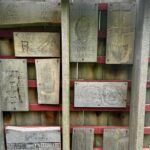
- “After The Black Gold”
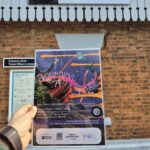
-
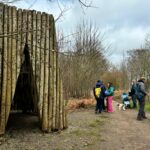
- Coppice Oratory
Sound Walkshop in Otford
Following the site visit, a Sound Walkshop was held in Otford on 20 March, facilitated by Andrew Stuck from Walk Listen Create.
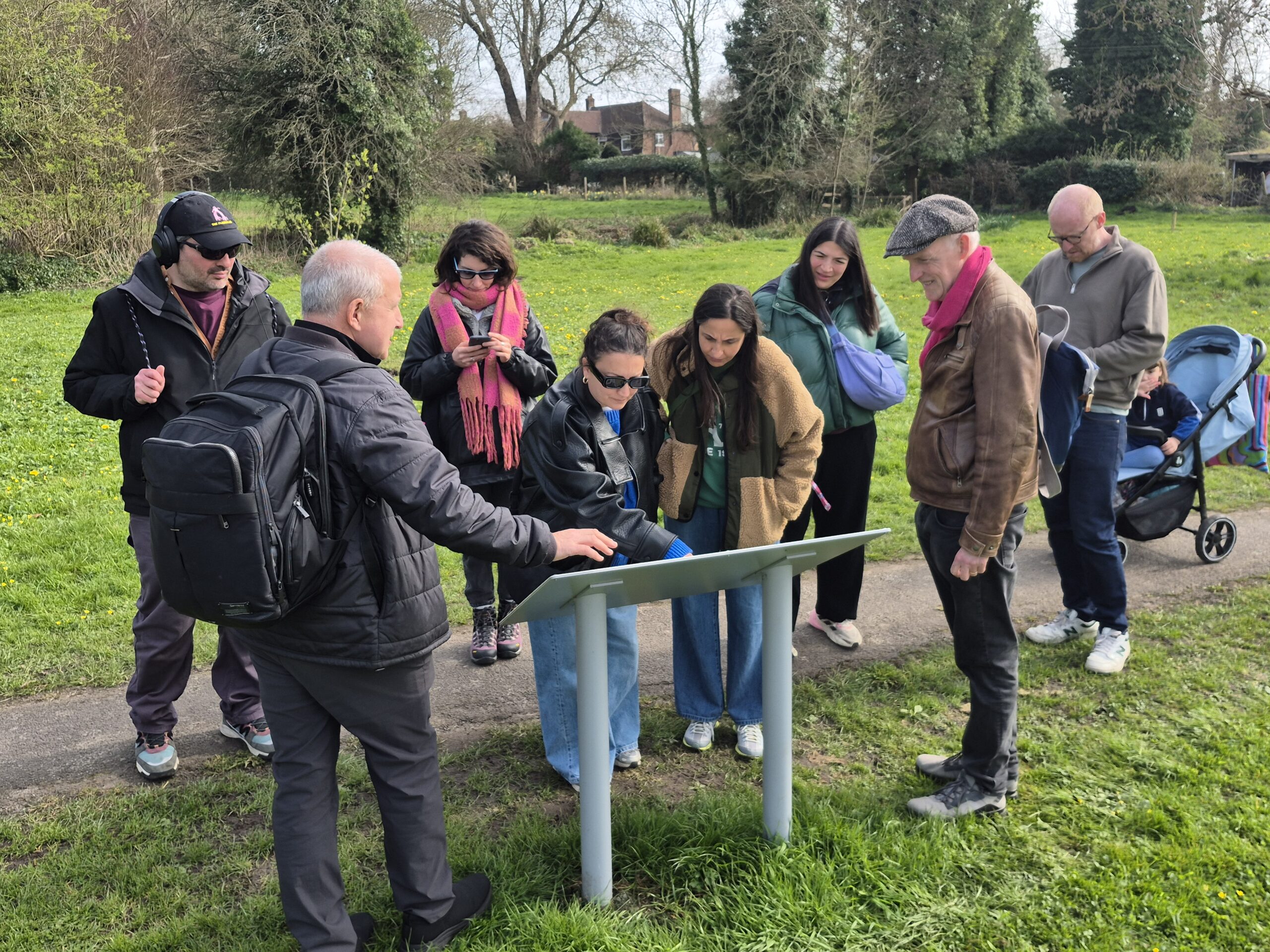
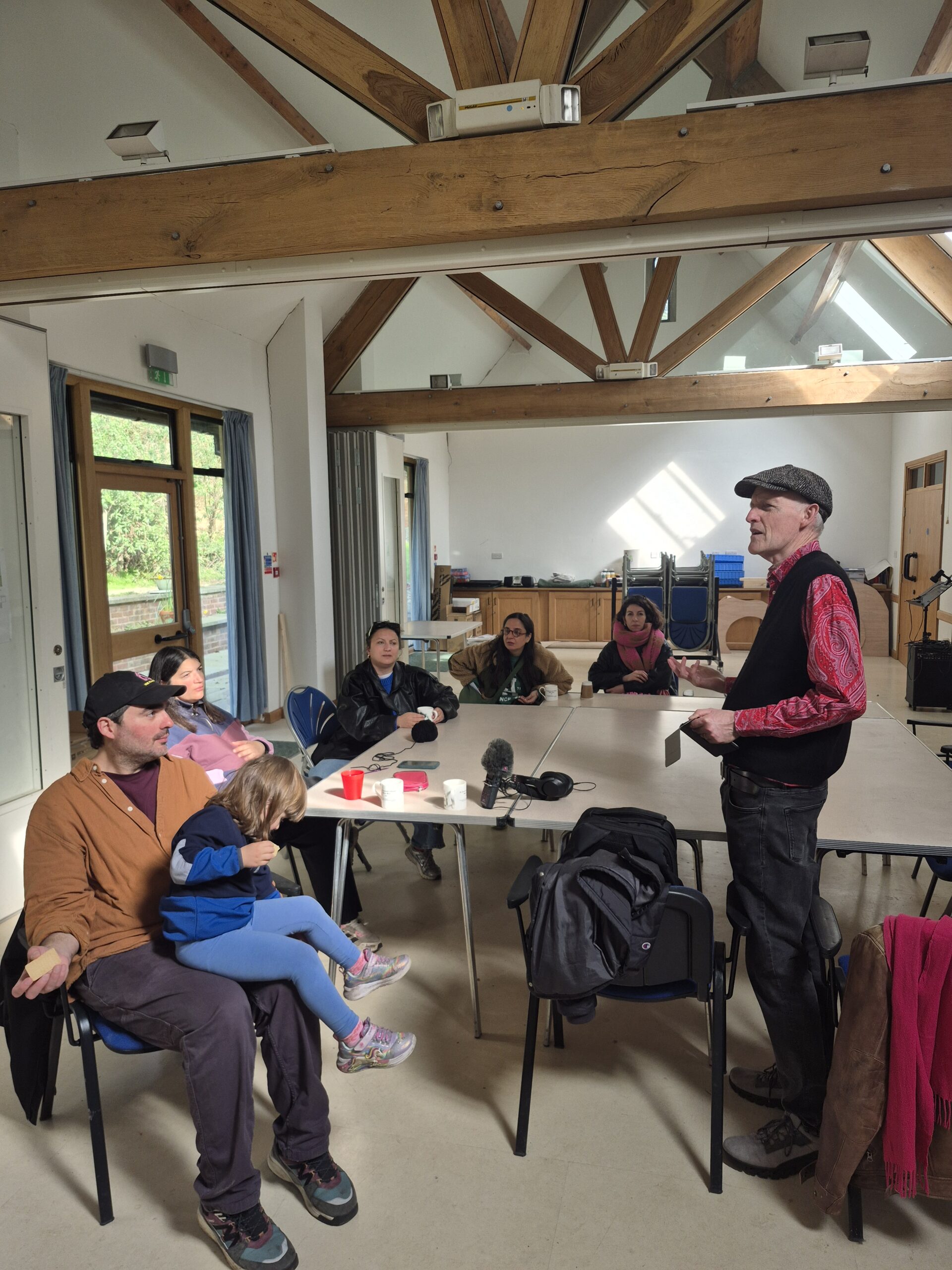
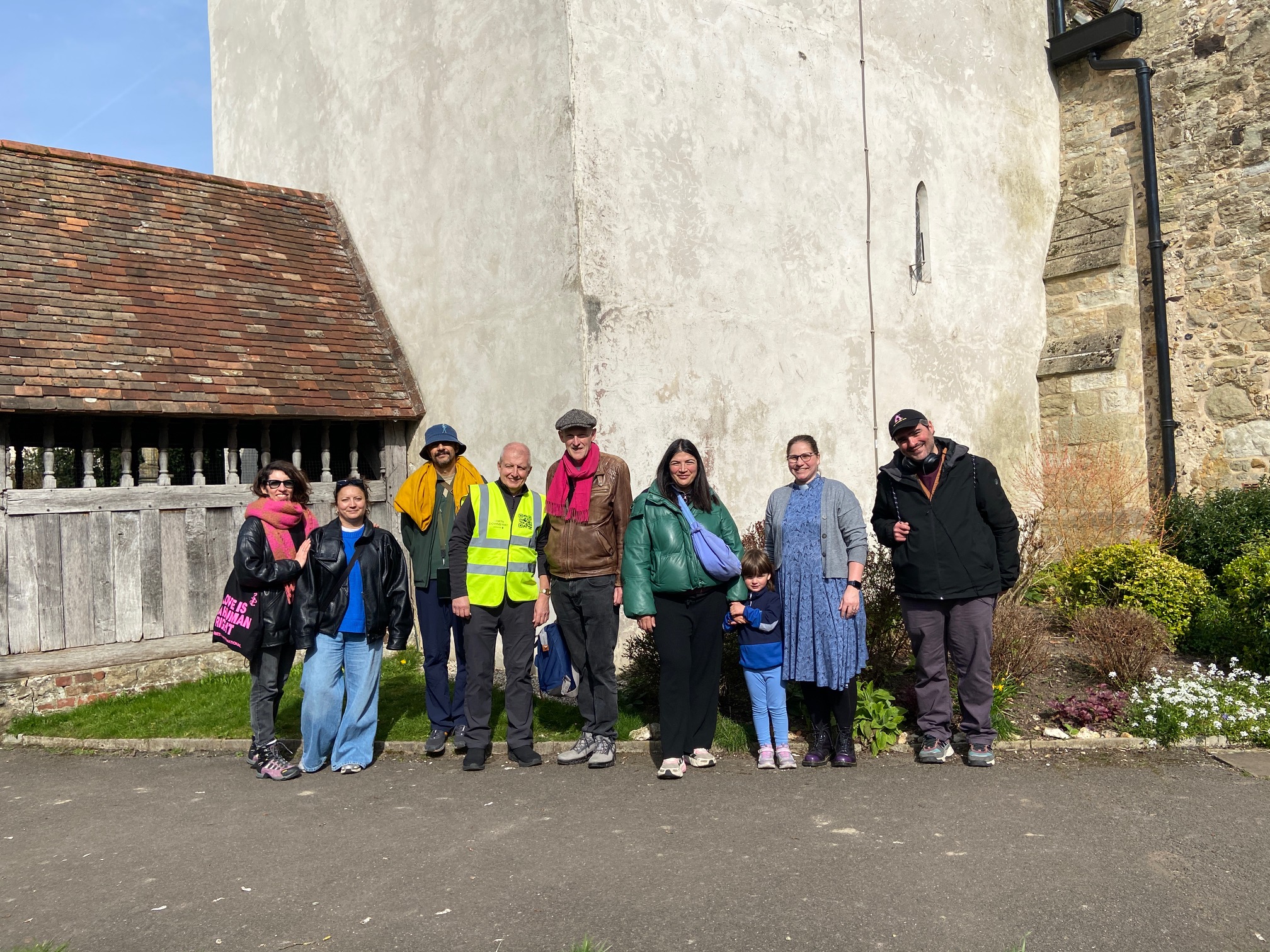
Participants from various cities came together at the workshop to experience walking, listening and creative production practices. They first explored key locations around Otford with Chris Sutton from the Otford Society and also North Downs Way Ambassador and Chair of the Darent Valley Community Rail Partnership. Through Andrew’s facilitated exercises, they discovered their everyday surroundings with fresh attention and awareness; and learnt about sound recording techniques. The workshop also offered practical tips on recording, editing and geotagging, encouraging production and mindful listening practices using everyday tools.
Next Step: The Lycian Way
Following this first phase of the project, the next stage will take place in May 2026 along the Lycian Way in Turkey. Site-specific productions, sound-focused research and participatory processes will be revisited within this new context.






Write a comment: