Every year on September 27, the world celebrates World Tourism Day, established by the United Nations in 1980. This day offers a valuable opportunity to reflect on tourism not only as a social and cultural force but also as a powerful economic engine.
Long-distance walking routes such as the Lycian Way are not only experiences of slow and sustainable travel; they also generate real economic opportunities for local areas and small and medium-sized enterprises (SMEs).
The UN World Tourism Organization (UNWTO) emphasizes that tourism can serve as a catalyst for inclusive growth: it creates jobs, reduces poverty, and empowers disadvantaged communities. At the same time, it promotes environmental protection and cultural preservation, encouraging responsible travel behavior and sustainable practices. Tourism fosters social cohesion, intercultural dialogue, and peace—contributing to the development of resilient societies open to sustainable transformation.
The Economic Power of Walking Routes
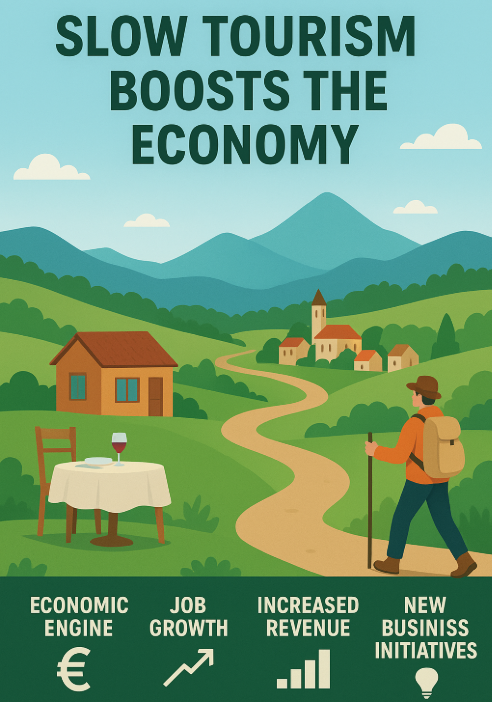
In Europe, the tourism sector employs around 27 million people, representing 11% of total employment and 10% of GDP. The positive effects are especially visible in hospitality, food service, outdoor activities, and local commerce—all of which are directly boosted by the presence of walkers and hikers.
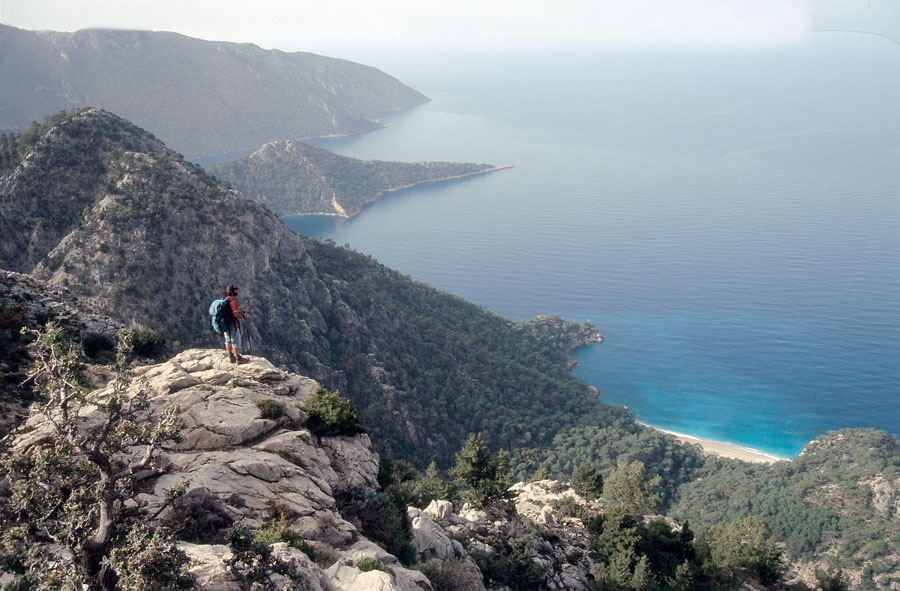
The Lycian Way clearly demonstrates this impact. Stretching 760 km from Antalya to Fethiye, it attracts thousands of walkers from all over the world each year. Along the way, travelers not only connect with nature and culture but also stay in village guesthouses, eat in local restaurants, and purchase traditional products directly from local communities. This creates jobs and opens new entrepreneurial opportunities along the trail.
Research worldwide shows that compared to mass tourism, slow tourism can deliver up to 51% more economic benefits to local areas and nearly twice as many local jobs. Routes like the Lycian Way play a vital role in supporting sustainable development, particularly in rural and less-visited regions.
The DETOUR Project and the Lycian Way
Among European initiatives focusing on tourism, DETOUR stands out as a virtuous example. The project supports SMEs along cultural routes in enhancing their competitiveness, sustainability, and innovation. Four pilot routes are involved: the Via Francigena in Italy, the Mount Olympus trails in Greece, the Sultan’s Trail in Bulgaria, and the Lycian Way in Türkiye.
Within this framework, the Lycian Way is not just a walking trail; it represents an opportunity to strengthen the economic resilience of local communities.
Looking Ahead
From September 28 to 30, 2025, Rome will host the 25th WTTC Global Summit, one of the world’s most significant tourism events, with a focus on sustainability, artificial intelligence, and the role of SMEs, which make up 80% of the global tourism sector. Meanwhile, every country marks World Tourism Day with a variety of dedicated events. These occasions are not just celebrations but key opportunities to rethink tourism in a more equitable, sustainable, and inclusive way.
In conclusion: Investing in routes like the Lycian Way means not only protecting natural and cultural heritage but also activating a sustainable growth model that brings prosperity, employment, and new opportunities—especially in rural and remote areas.
Sources:






Write a comment: